Ancient Olive Pressing & Coastal Foraging in Crete
Inside the sun-baked stone groves of the White Mountains, where three-thousand-year-old trunks still yield oil green as sea glass.
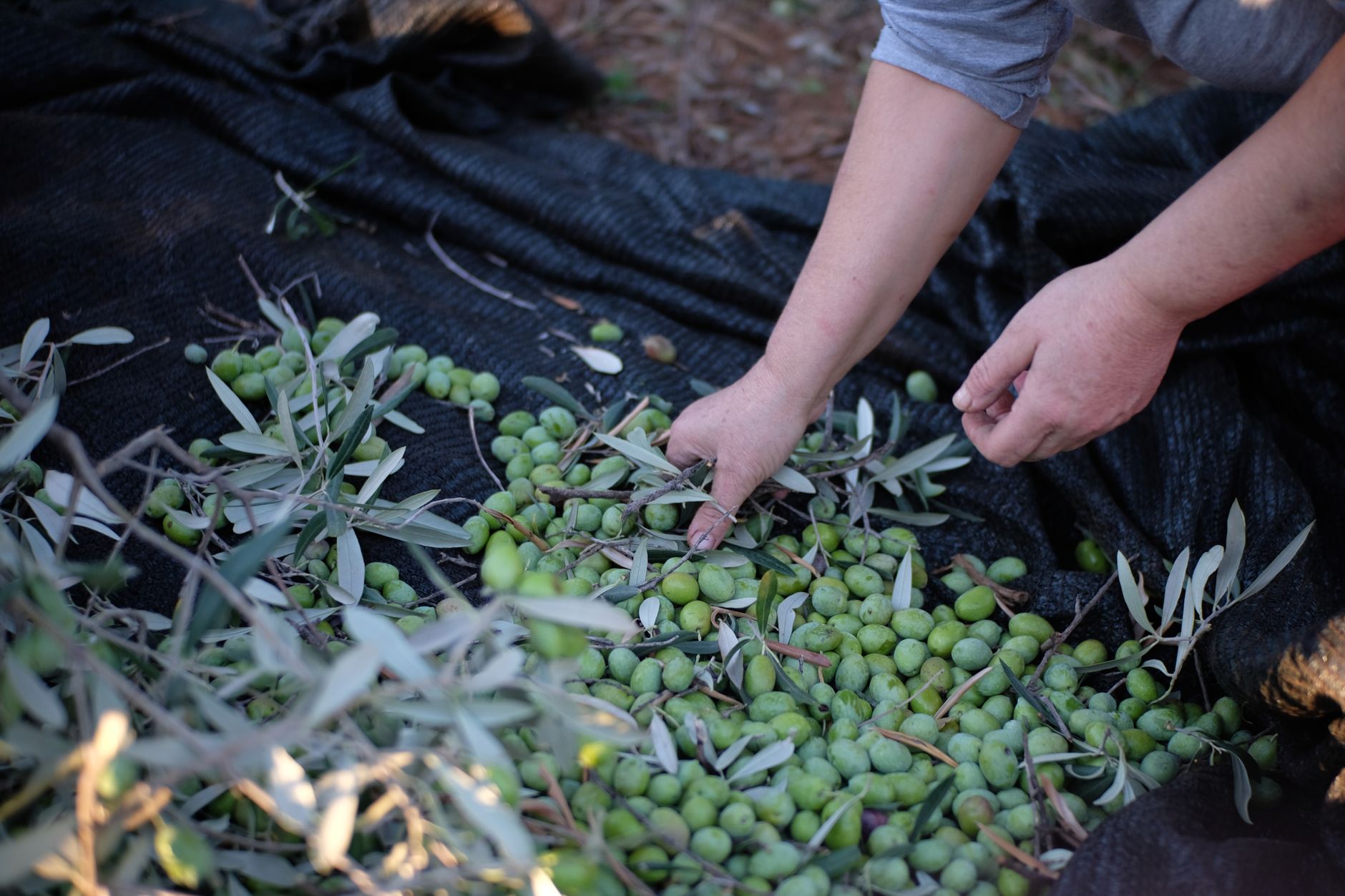
The silver-green canopy of Cretan olive trees trembles under the Mediterranean breeze as Manolis nets spread across the red limestone soil. In the village of Vouves, people walk past a trunk so gargantuan that its heartwood has opened into a hollow sanctuary capable of sheltering five adults. Radiocarbon tests verify its age: it was already producing fruit when Minoan ships docked in Knossos.
1. The Eternal Trees
In western Crete, oil is neither condiment nor commodity; it is sacred infrastructure. Every family retains a hillside plot, often passed down unbroken through eight recorded generations. The harvest takes place as autumn cools into November. Nets are stretched beneath gnarled boughs, and handheld wooden combs sweep the branches with measured gentleness, dislodging the plump Koroneiki olives without bruising their delicate skins.
2. The Cold Press
Within four hours of falling from the limb, the olives reach the village cooperative press. Unlike industrial mills that introduce excessive heat to maximize yield, traditional presses operate below 27 degrees Celsius. The resulting liquid emerges opaque, vibrant jade-colored, smelling vividly of fresh cut grass, artichoke heart, and bitter almond.
"Real oil should catch in your throat with a peppery bite. That pungency is oleocanthal—the living essence of the Mediterranean sun."
3. The Gathering of Chorta
Down toward the coastal limestone bluffs, elder women carry pocketknives and wicker baskets. They are hunting chorta—wild chicory, dandelion greens, sea fennel, and wild mustard that sprout after the first seasonal rains. To forage these greens requires intimate botanical memory: knowing which leaves are tender, which must be boiled twice, and which retain subtle sweetness when braised in warm oil with fresh lemon juice.
4. The Village Table
At the rustic wooden table under a trellis of bare grapevines, lunch arrives with zero pretension: warm sourdough dipped into freshly pressed oil, wild greens sprinkled with coarse sea salt crystals scraped from tidal pools, and goat milk cheese aged in mountain caves. In an age of synthetic culinary spectacles, Crete proves that the highest sophistication is pure origin.